Research Areas
Medical Image Processing & Analysis Biomedical Signal Processing Medical Instrumentation & Assisted Robotics XR for Health (AR/VR/MR)
Projects
NatalIA — AI-assisted obstetric ultrasound
NatalIA is a tele-ultrasound workflow that helps midwives and primary-care providers acquire fetal scans using blind sweeps with portable probes. Our platform uses AI to assist with fetal plane identification, quality control, and asynchronous specialist review, lowering access barriers in low-resource settings.
Resources: Project page (CLIAS)
CBCT — Image reconstruction & anatomical analytics
Diagnosing nasal and sinonasal disorders, including tumors, relies heavily on a detailed evaluation of the sinonasal cavity. However, the complex anatomy of the sinuses and the minimal intensity variations between air, soft tissue, and fluids pose significant challenges for accurate evaluation and surgery planning. This project focuses on developing an AI-based system capable of automatic segmentation of the sinonasal cavity in CBCT studies to improve clinical evaluation and the implementation of path-finding algorithms to aid in surgery planning.
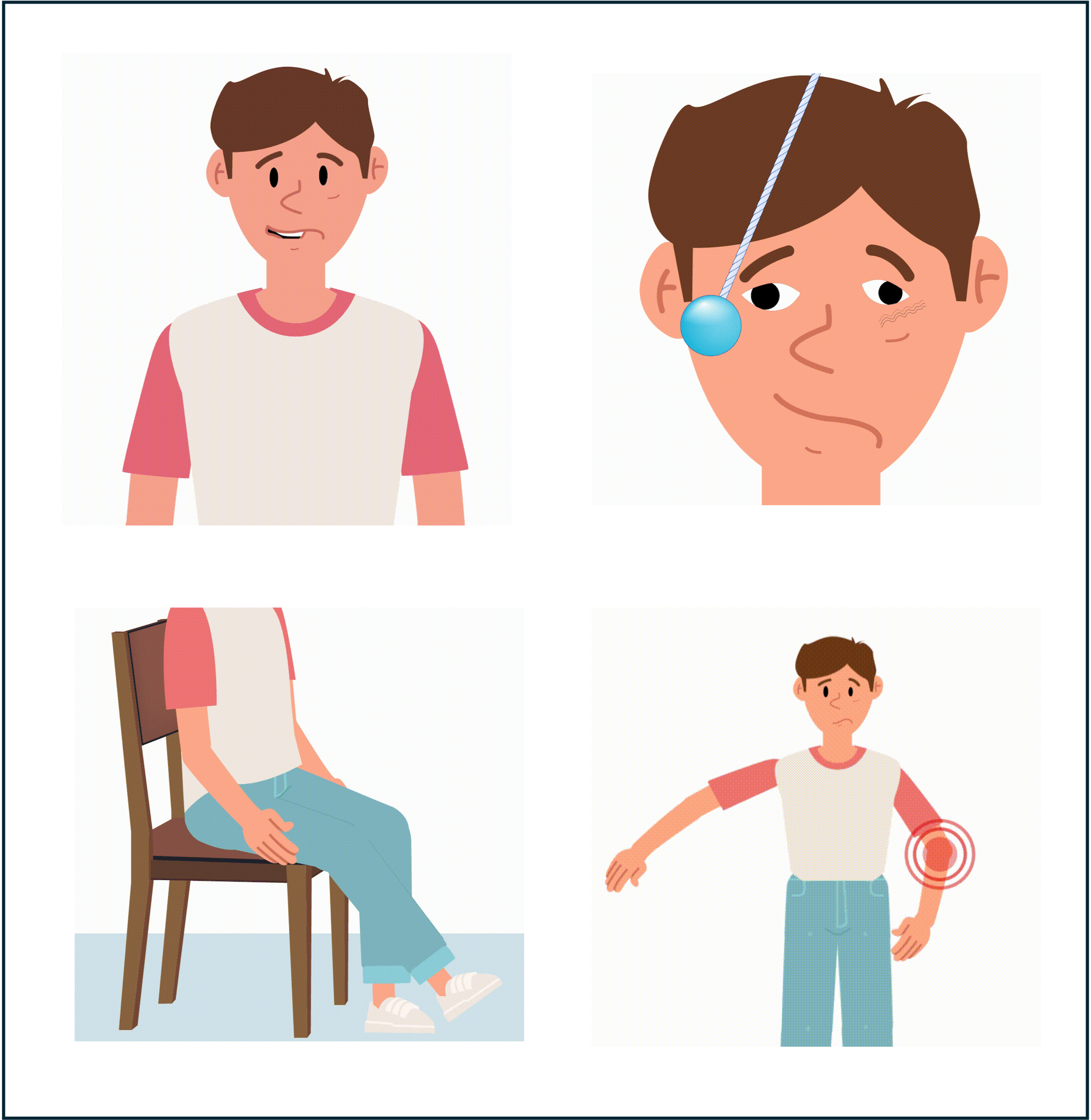
Strokes App — Prehospital stroke triage & decision support
In resource-limited settings, access to specialists is often limited, and early stroke detection is extremely valuable, as in most cases the patient has only about 4.5 hours before stroke damage is irreversible. This project focuses on developing a system for early detection of strokes in low-resource settings, particularly within challenging public health environments. The project is currently being developed in collaboration with San Juan National Hospital and local emergency services.
Resources: Project page
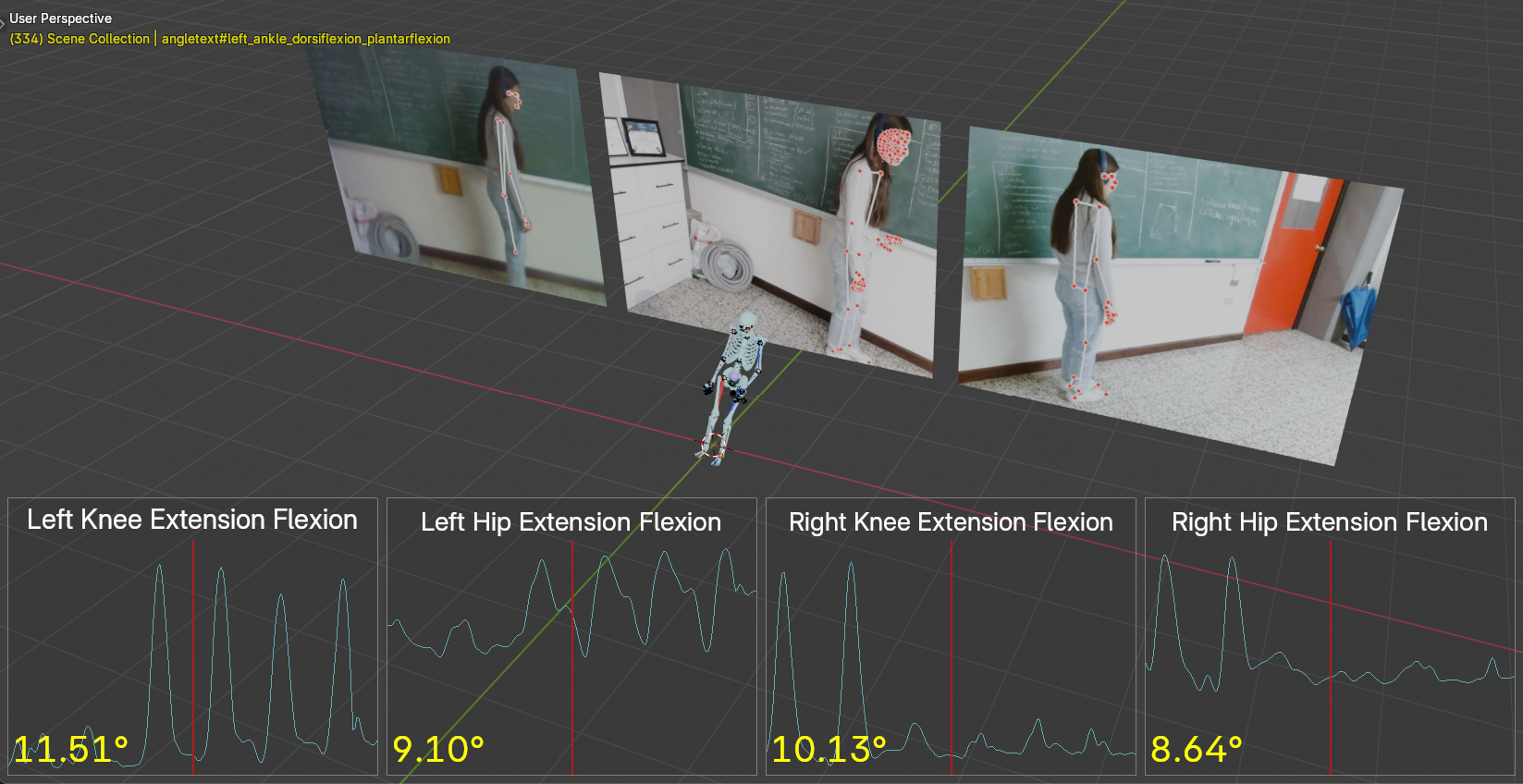
Physiological Signal Monitoring and Analysis during Human Movement
This work focuses on the development and application of technologies for monitoring physiological signals during human movement. In the laboratory, efforts are directed toward the integration of CW-NIRS optodes, embedded systems, and data processing methods to study how the body responds to different physical activities. The approach combines signal acquisition with kinematic gait analysis through state-of-the-art human pose estimation methods to explore relationships between physiological and biomechanical processes. This work supports research in biomedical engineering by promoting accessible, adaptable, and cost-effective solutions for real-world applications.
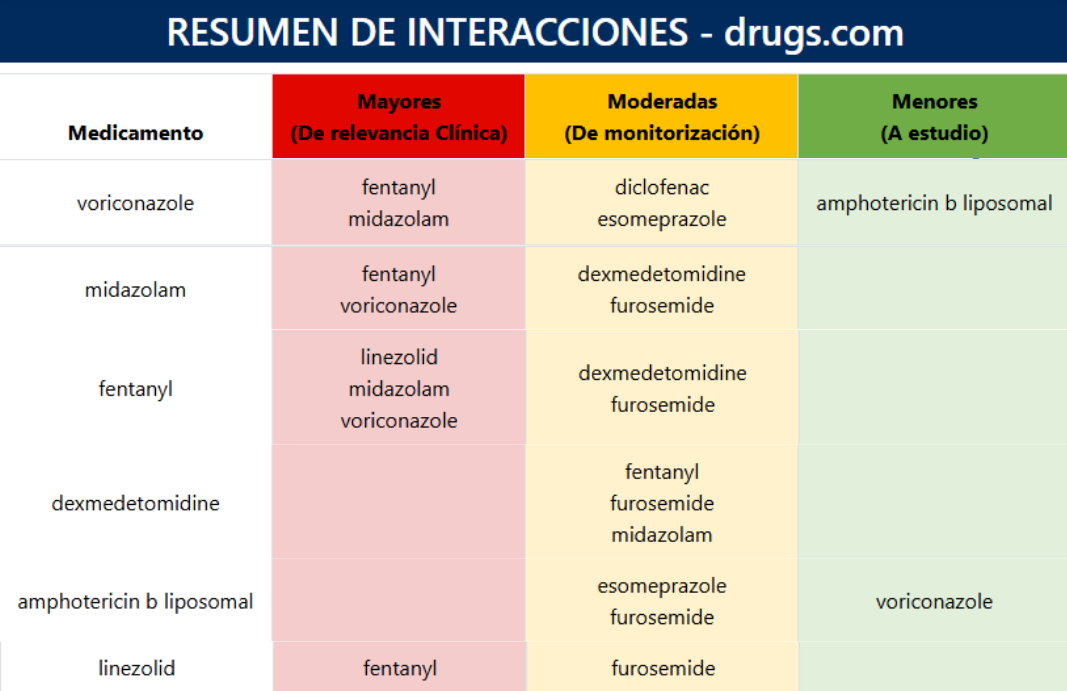
Interactions Web — Drug Interaction Search Platform
web-based tool designed to streamline the process of retrieving and summarizing drug interaction information from trusted medical sources. The platform enables pharmacists and hospital staff to perform unified searches across multiple databases simultaneously, automatically generating concise summaries for each consulted source. By centralizing access and reducing redundant searches, this web helps minimize workflow bottlenecks and accelerates the preparation of clinical reports for hospitalized patients.
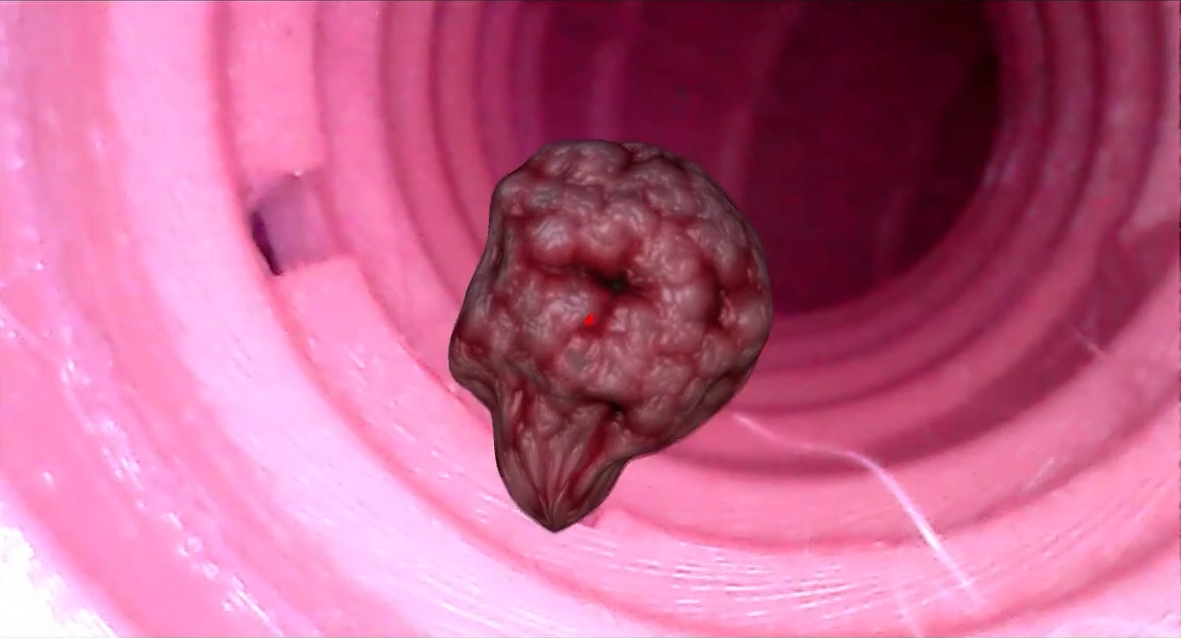
Augmented Reality based Colonoscopy Simulator
A 3D-printed colonoscopy training simulator that uses augmented reality to help medical trainees recognize gastrointestinal pathologies. An endoscopic camera navigates the printed colon while AR markers overlay conditions such as polyps, Crohn’s disease, and tumors, enabling interactive quizzes and diagnostic learning in a low-cost, realistic environment.
Resources: Video Demo