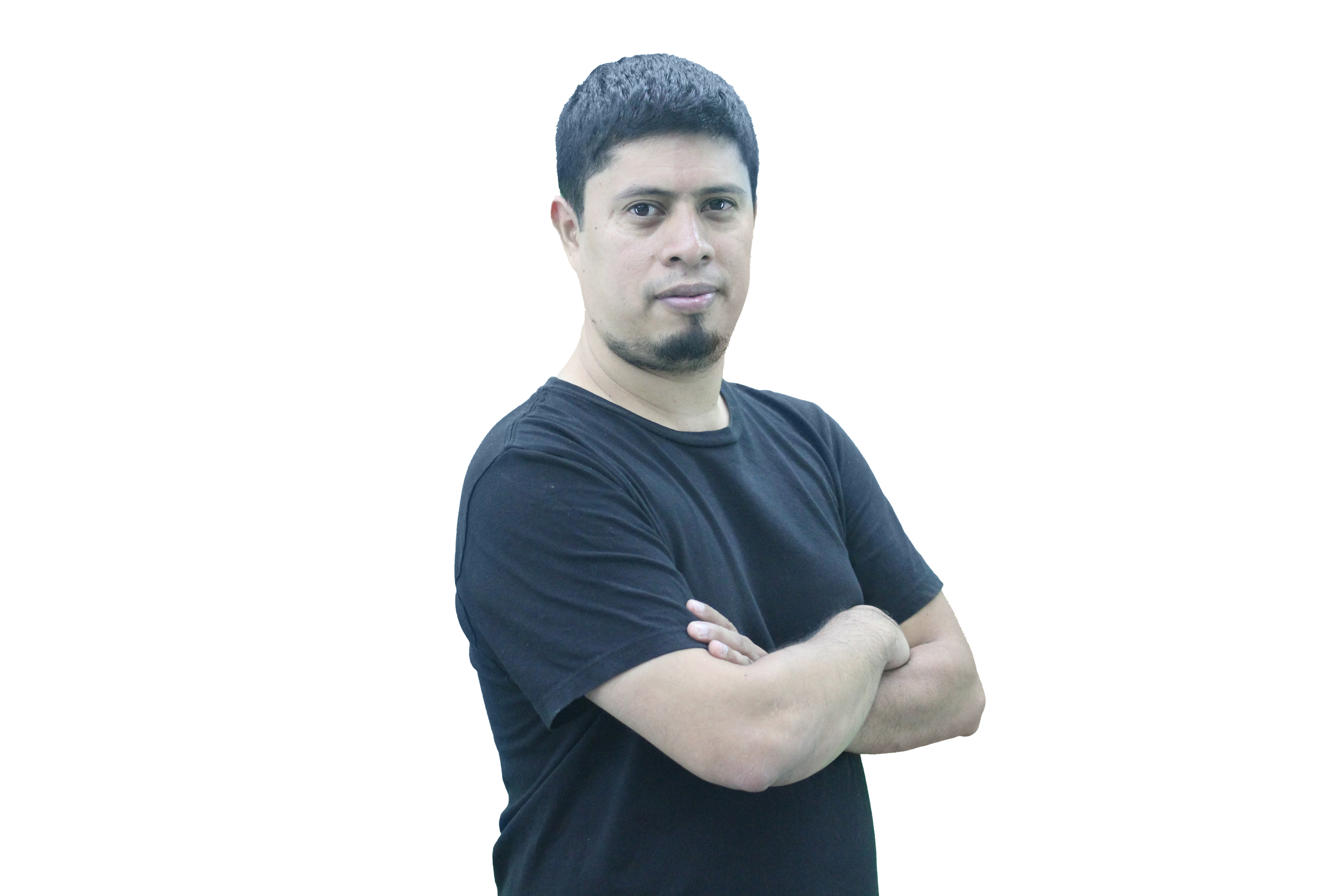
Julio Enrique Fajardo, Ph.D., is the Subdirector of the Turing Laboratory and a Senior Researcher at the Biomedical Engineering Research Laboratory (BiomedLab) at Universidad Galileo. His work focuses on robotics for rehabilitation, artificial intelligence, computer vision, optimal and robust control, and biomedical instrumentation. He earned his Ph.D. in Electrical Engineering from Universidade Estadual de Campinas (UNICAMP), graduating Summa Cum Laude, and holds both a master's degree in Industrial Electronics and a bachelor's degree in Electronic Engineering from Universidad Galileo.
- Robotics
- Control Systems
- Computer Vision
- Biomedical Engineering
- Artificial Intelligence
-
Ph.D. in Electrical Engineering, 2023
UNICAMP, Brazil -
M.Sc. in Industrial Electronics, 2017
Universidad Galileo, Guatemala -
B.Sc. in Electronic Engineering, 2012
Universidad Galileo, Guatemala
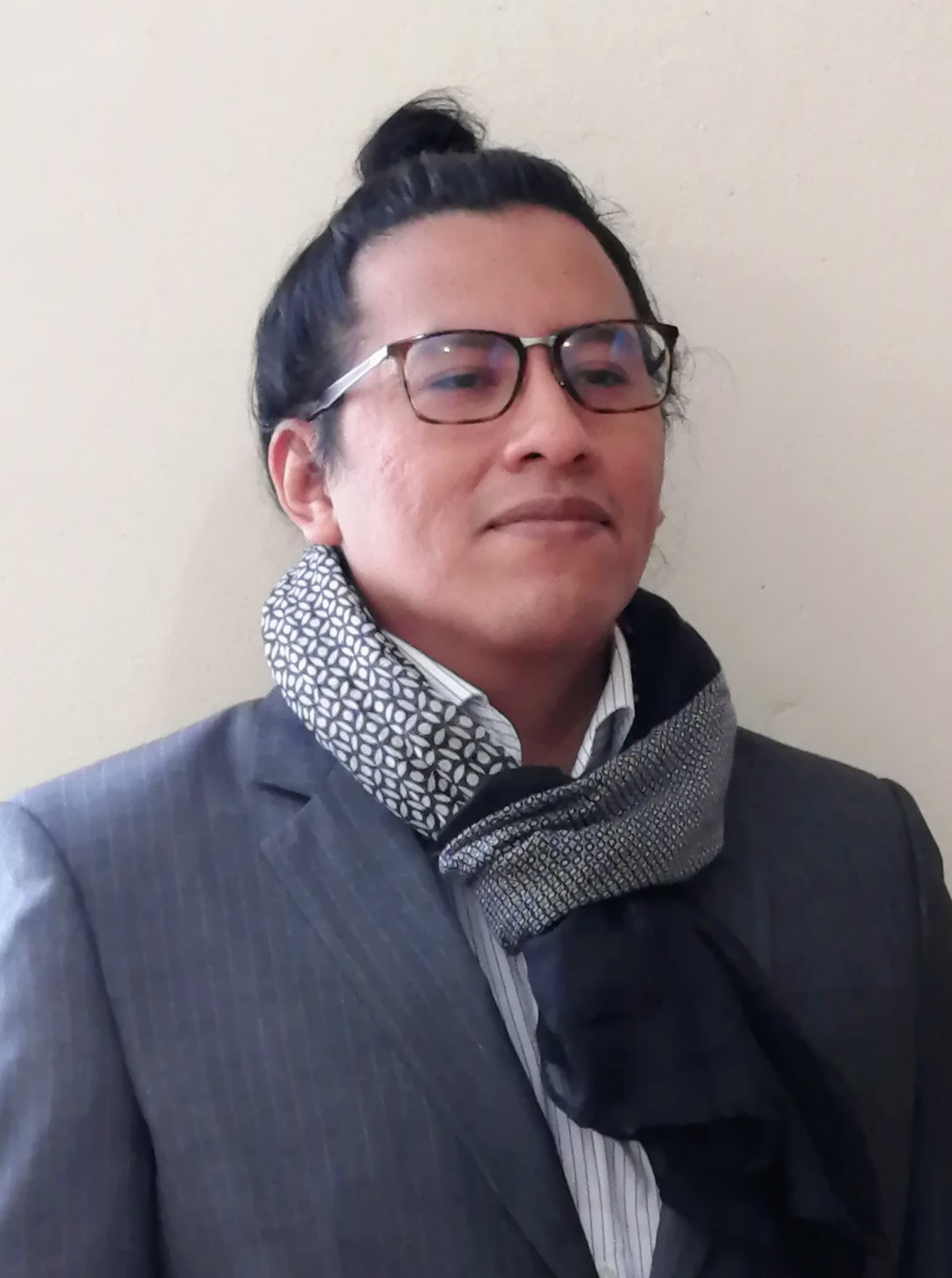
Michaelle Perez is a researcher, consultant, and professor with extensive experience in mathematics and computer science education. He has taught at the university level, authored books, and provided consultancy for multiple companies across diverse sectors. His research interests include artificial intelligence, medical imaging, and computer vision, with a focus on creating innovative solutions that bridge theoretical knowledge and practical applications. He holds a B.Sc. in Computer Science from Galileo University, Guatemala.
- Mathematics
- Artificial Intelligence
- Medical Imaging
- Computer Vision
-
B.Sc. in Computer Science, 2010
Galileo University, Guatemala
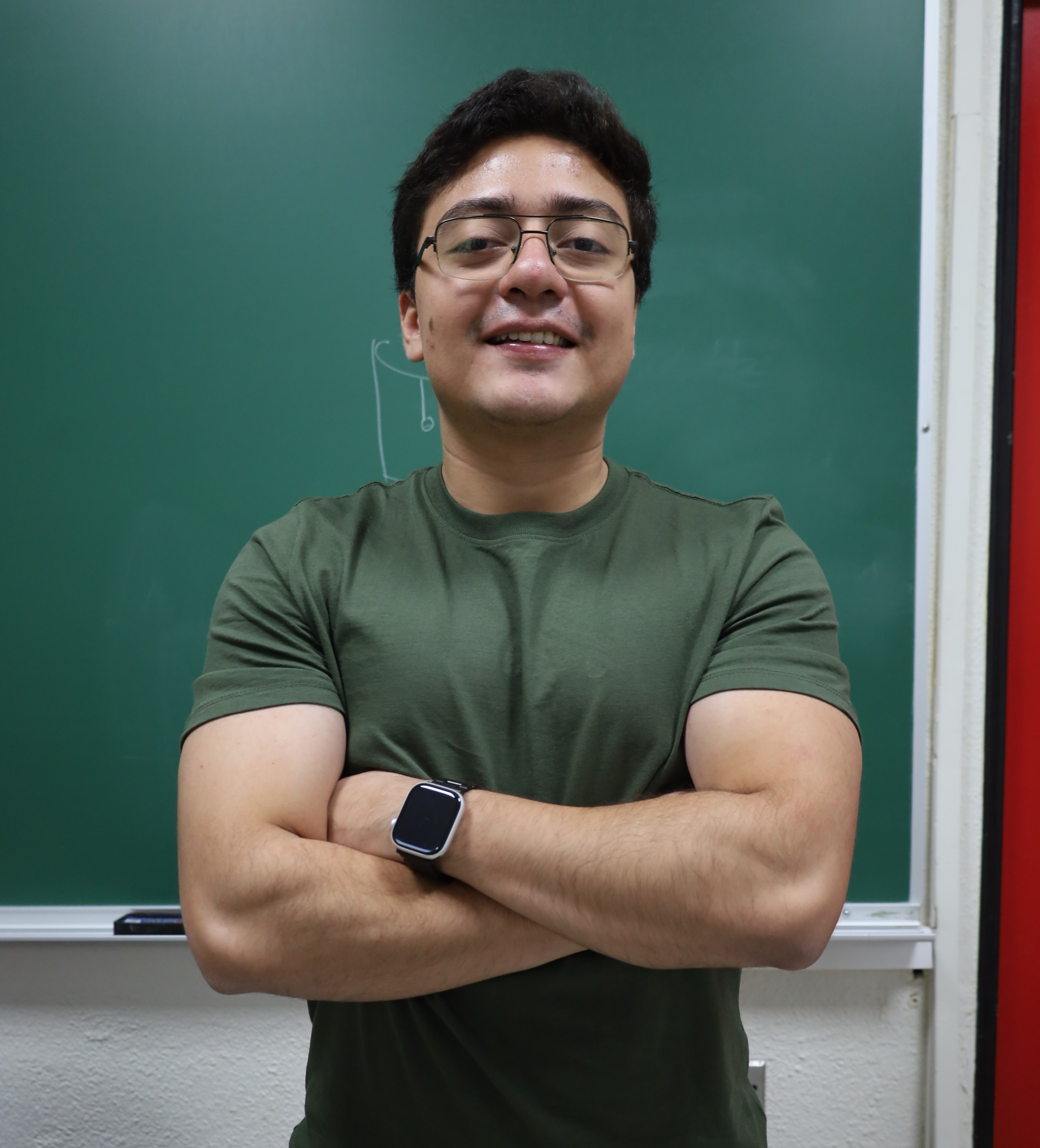
Juan Pablo Barrientos is a research assistant in Biomedical Engineering at Universidad Galileo. His research focuses on applying artificial intelligence to medical imaging, with a particular interest in developing computational tools for improving diagnostic accuracy and healthcare accessibility in resource-limited settings. He holds an M.Sc. in Biomedical Engineering and a B.Sc. in Computer Science Engineering from Universidad Galileo, Guatemala. His work bridges computer science and biomedical applications, aiming to create innovative solutions that address critical challenges in global health.
- Artificial Intelligence
- Medical Imaging
- Global Health
-
M.Sc. in Biomedical Engineering, 2023
Universidad Galileo, Guatemala -
B.Sc. in Computer Science, 2021
Universidad Galileo, Guatemala
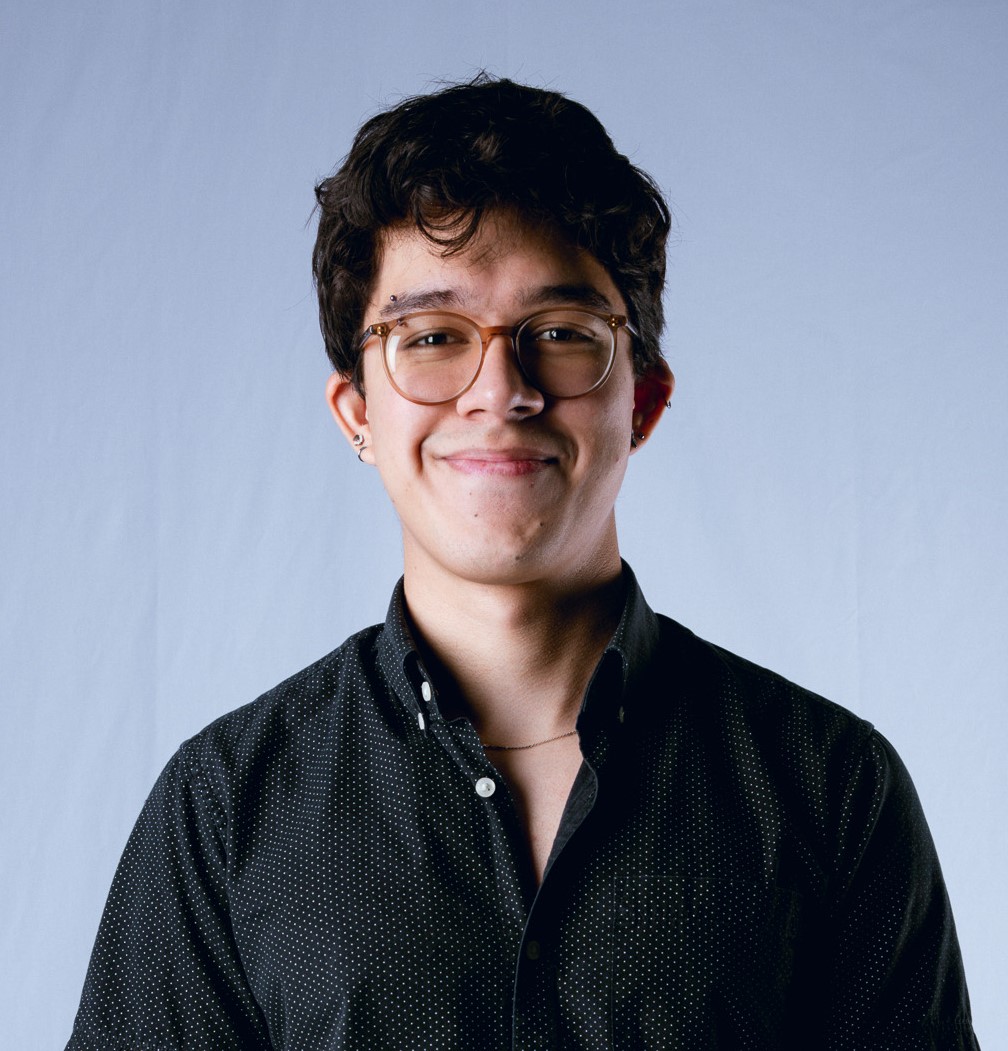
He currently works as a research assistant at BiomedLab and as a teacher assistant at Galileo University. He graduated with honors with a Master’s degree in Biomedical Engineering and also with a Bachelor's degree in Computer Science Engineering. His current research focuses on processing and analysis of medical images, especially CBCT images, working to develop an AI-based system capable of automatic segmentation of upper airways to improve clinical evaluation. He also works in the development of an application aimed at the early detection of cerebrovascular events to assist emergency services and improve the patient's outcome.
- Medical imaging
- Artificial Intelligence
- Image processing
- Bioprinting
-
M.Sc. in Biomedical Engineering, 2023
Universidad Galileo, Guatemala -
B.Sc. in Computer Science, 2021
Universidad Galileo, Guatemala
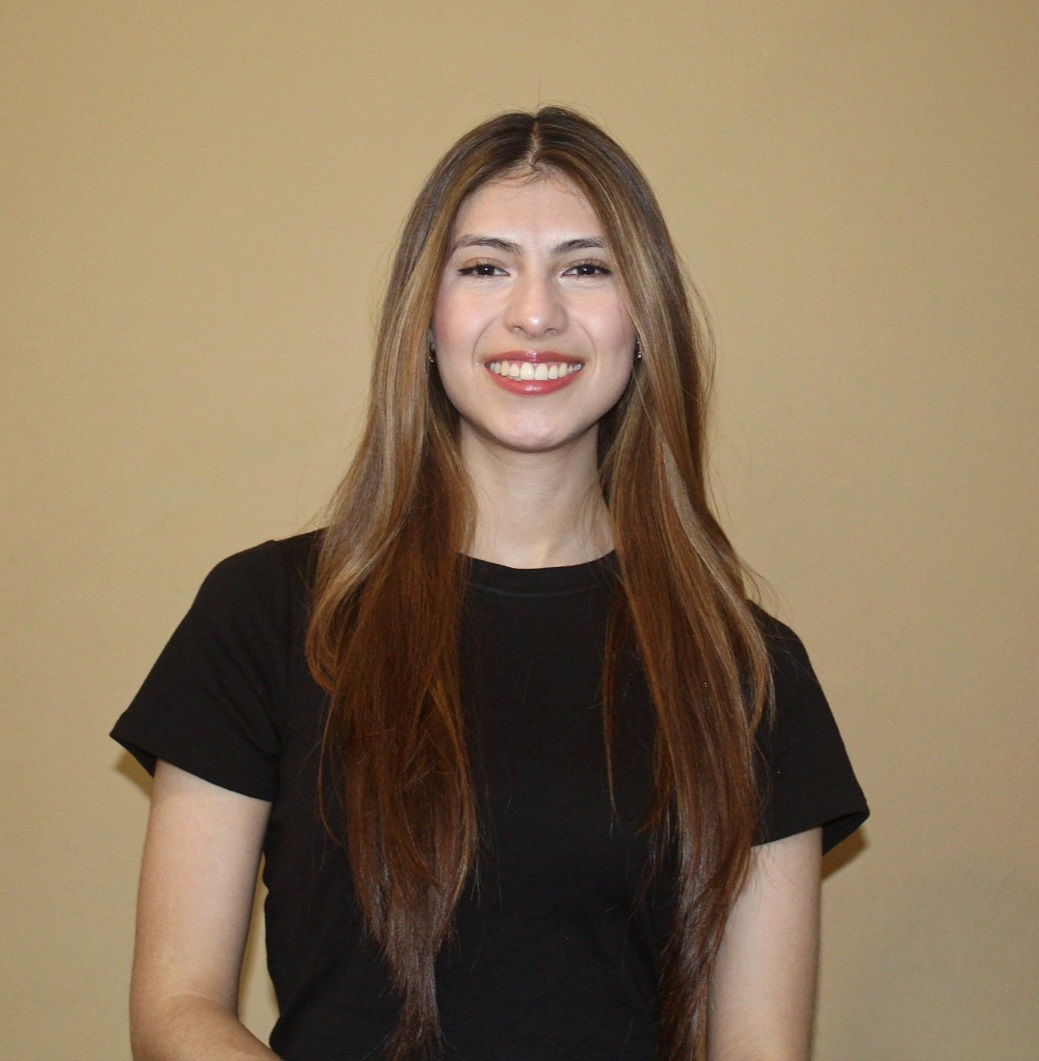
Biomedical Engineer from Universidad del Valle de Guatemala. Experience includes participation in medical equipment maintenance and technical support projects in hospital environments, as well as volunteer involvement in technical approaches within public and semi-public healthcare systems. Currently pursuing a Master’s degree in Biomedical Engineering at Universidad Galileo and collaborating in research activities within the laboratory, including a project focused on studying muscle hemodynamics during the phases of gait.
-
B.Sc. in Biomedical Engineering, 2024
Universidad del Valle de Guatemala
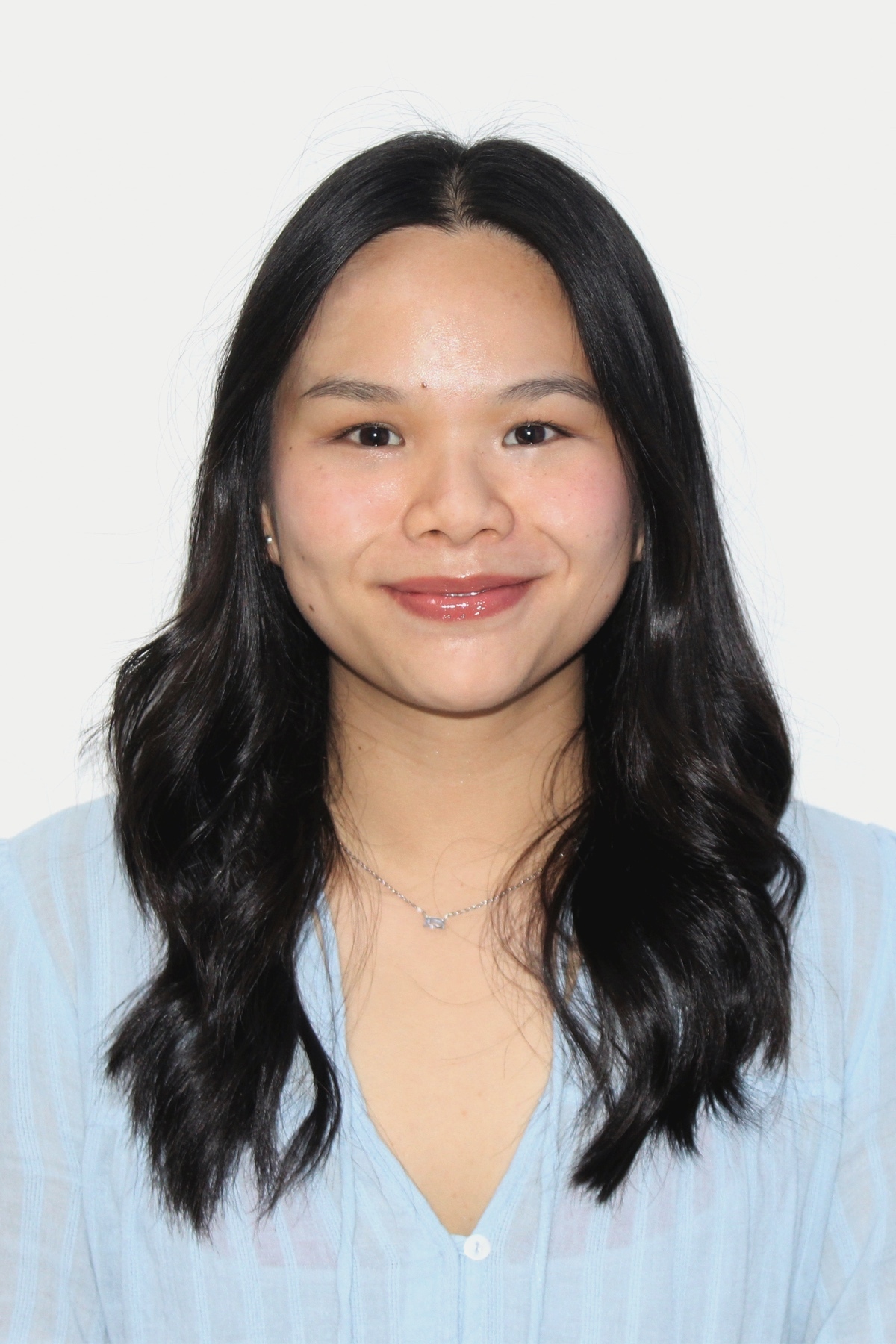
Lucy is a research intern in Biomedical Engineering at Universidad Galileo. She holds a B.Sc. in Biomedical Engineering from Universidad del Valle de Guatemala. Her research focuses on designing a 2 DoF mechanism for a 3D-printed hand prosthesis to optimize the relation between the rigidity, precision, and energetic consumption. The expected result is a lighter, safer, and more efficient prosthesis. Her work aims to increase the users’ independence and mobility with assistive devices that adapt smoothly to them.
- “Biomechanics”
- “Rehabilitation Engineering”
- “CAD Modeling”
-
B.Sc. in Biomedical Engineering, 2025
Universidad del Valle de Guatemala, Guatemala
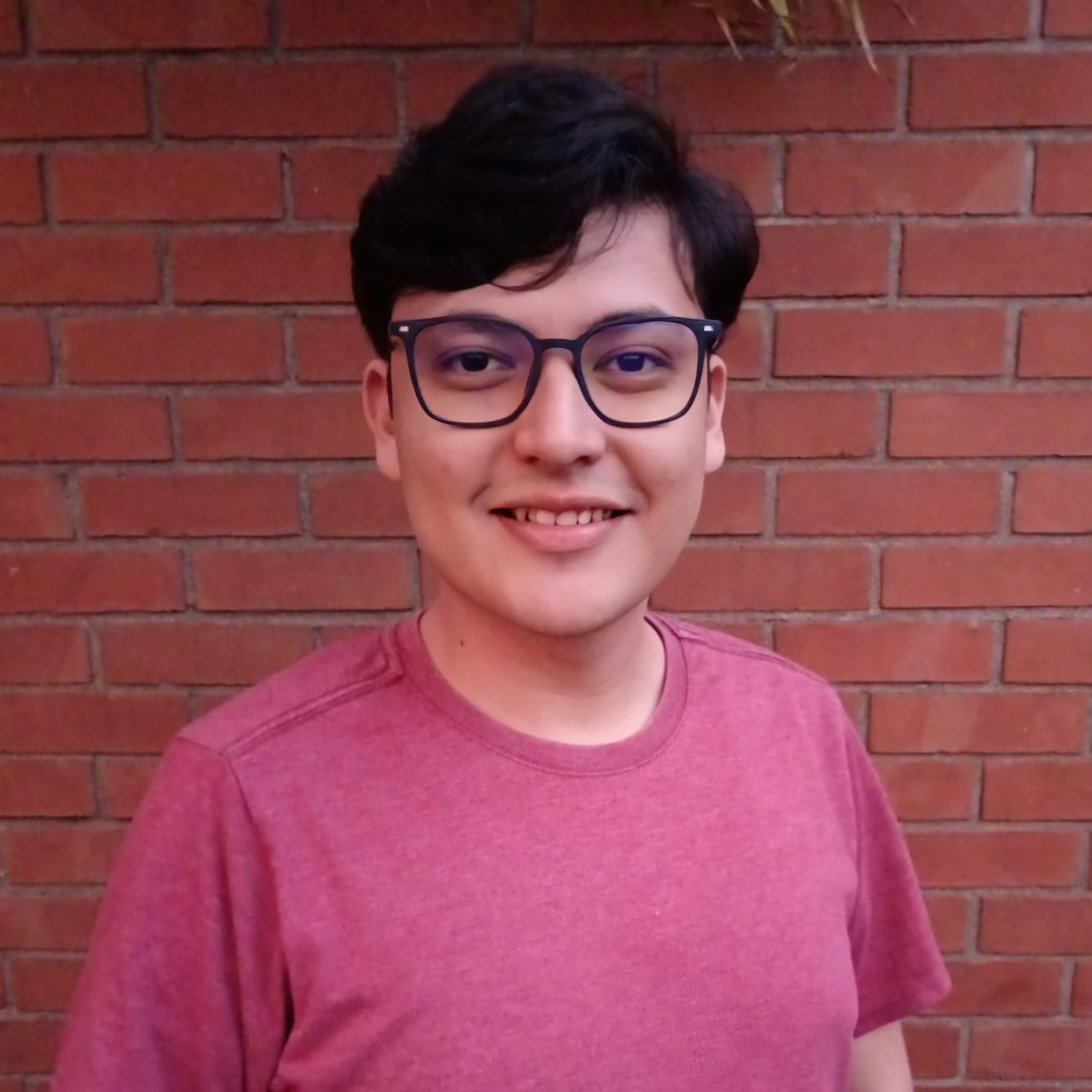
José Barrios is a teaching assistant in Computer Science and Mathematics at Universidad Galileo, where he is also a research assistant in the Biomedical Engineering Laboratory. His current work combines his background in Systems Engineering with his postgraduate studies in Artificial Intelligence, focusing on the integration of computational approaches and biomedical applications. He holds a B.Sc. in System Engineering (Program completion) from Universidad Galileo, Guatemala, and is currently pursuing a postgraduate degree in Artificial Intelligence at the same institution. His interests include the development of innovative projects that leverage engineering and AI to create practical solutions with real-world impact.
- Artificial Intelligence
- development of innovation projects
- AI to improve medicine
-
Program completion in System Engineering, 2024
Universidad Galileo, Guatemala
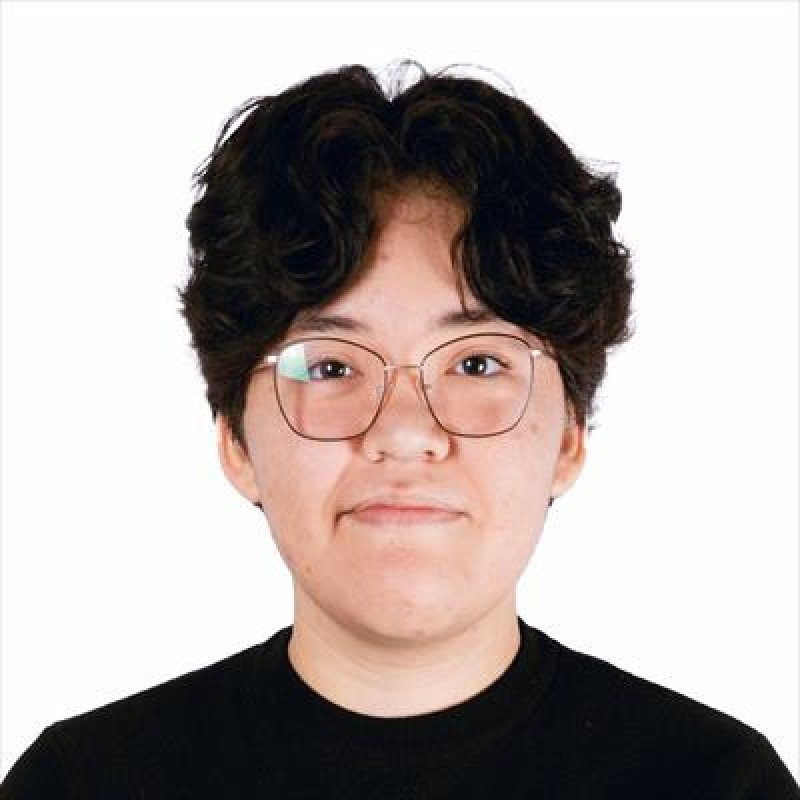
Currently in the final year of a Bachelor’s Degree in Systems Engineering, Computer Science, and Information Technology. Enthusiastic about software development, artificial intelligence, and technology innovation, aiming to apply computational solutions in educational and scientific contexts.
- Software Development
- Artificial Intelligence
- Data Analysis
-
BSc in Systems Engineering and Computer Science, Expected 2025
Universidad Galileo, Guatemala
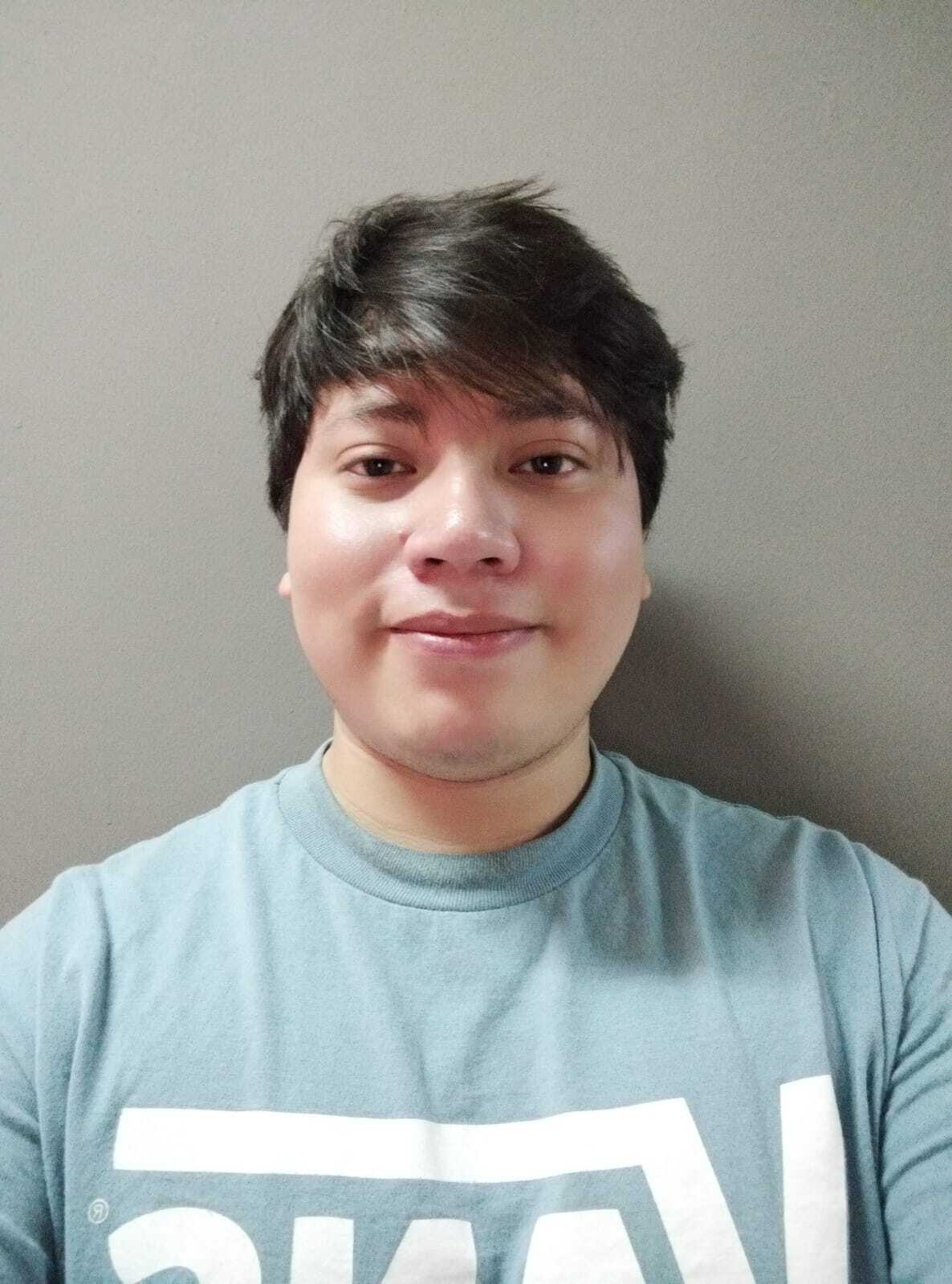
A final-year Mechatronics Engineering student at Universidad Galileo, Guatemala, with strong interests in electronics design, embedded systems, and creating mechanisms that integrate hardware and motion. Passionate about motion analysis, actuator control, and 3D mechanical designs aimed at solving real technical challenges. Especially motivated by projects where electronics and mechanics merge in the medical field whether through sensing, instrumentation, or developing devices that support healthcare. Enjoys turning ideas into functional prototypes and exploring how engineering can create meaningful impact.
- PCB Desing
- Applied Mechanics
- 3D Design
- Medical instrumentation
-
BSc in Systems Engineering (in progress), 2022 -
Universidad Galileo, Guatemala
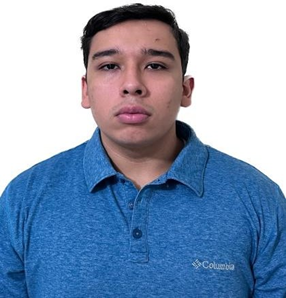
A final-year Electronic Engineering student at Universidad Galileo, Guatemala, volunteer in the biomedical engineering laboratory, passionate about electronics, both in the development of integrated circuits and in their implementation in different areas such as industry or medicine, with the aim of increasing my knowledge and improving in my area of work.
- PCB Desing
- Embedded systems
-
BSc in Systems Engineering (in progress), 2023 -
Universidad Galileo, Guatemala
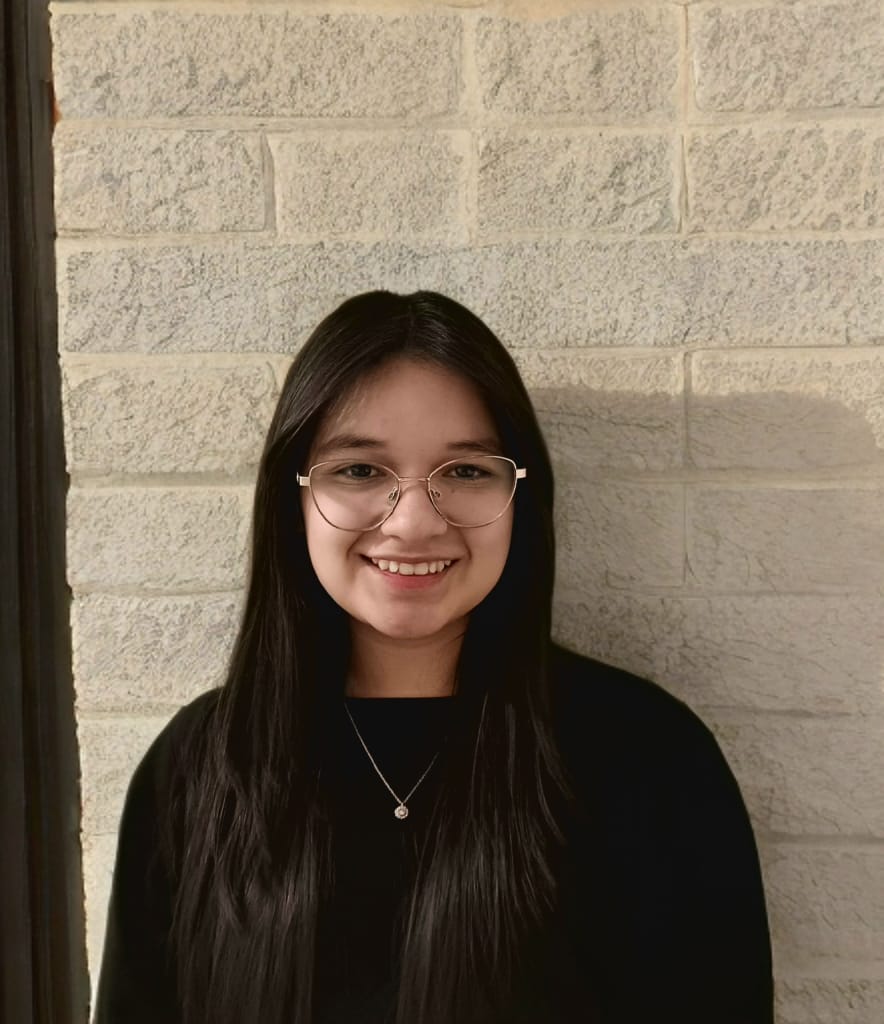
Mariandré Sosa is a second-year Mechatronics Engineering student at Universidad Galileo, Guatemala, and a volunteer at Biomedical institute. Her work and interests center on the development of accessible medical technologies, with a particular focus on ultrasound systems for community healthcare and midwifery. She is also interested in medical imaging, prosthetics, and the simulation of biomedical equipment, aiming to integrate engineering innovation with social impact to make healthcare technologies more inclusive and affordable.
- Accessible Medical Technology
- Ultrasound Systems
- Medical Imaging
- Prosthetics
- Biomedical Simulation
-
BSc in Mechatronics Engineering (in progress), 2024 -
Universidad Galileo, Guatemala
Select a team member
Please go back to the team page and click a name.